The world is changing at an unprecedented pace. Natural resources are being depleted, ecosystems are under pressure, and the effects of climate change are becoming increasingly visible. The Netherlands is at the forefront of the transition to sustainable energy sources and innovative agricultural methods. It is essential that we act now — for the protection of our nature and the well-being of future generations.
The global climate challenge
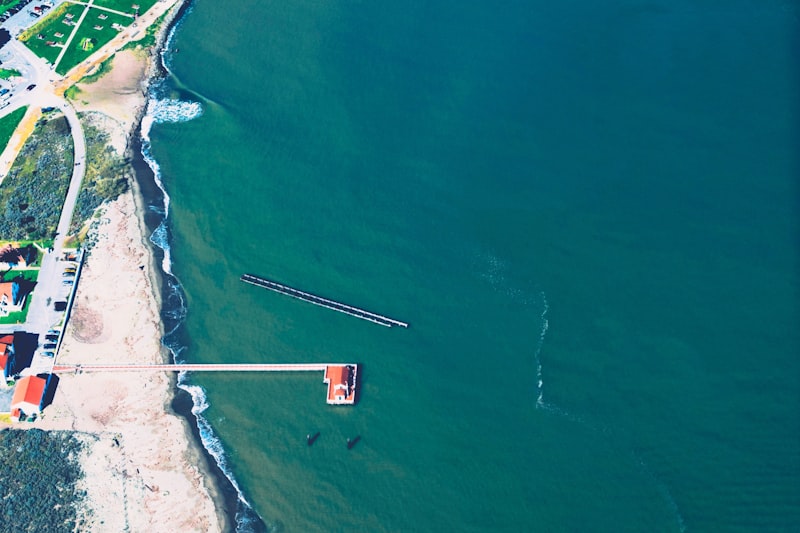
Global warming is one of the most pressing issues of our time. Scientific research shows that the average global temperature has risen significantly over the past decades, with far-reaching consequences for both nature and human society. In the low-lying Netherlands, sea level rise is a particularly concerning phenomenon. The Dutch delta, historically vulnerable to flooding, requires continuous attention and development in water management. Moreover, extreme weather events are increasing, further underlining the urgency of climate adaptation and mitigation. The European Union has set ambitious targets to reduce greenhouse gas emissions by at least 55 percent by 2030 compared to the 1990 reference year.
The role of the Netherlands in the green energy transition
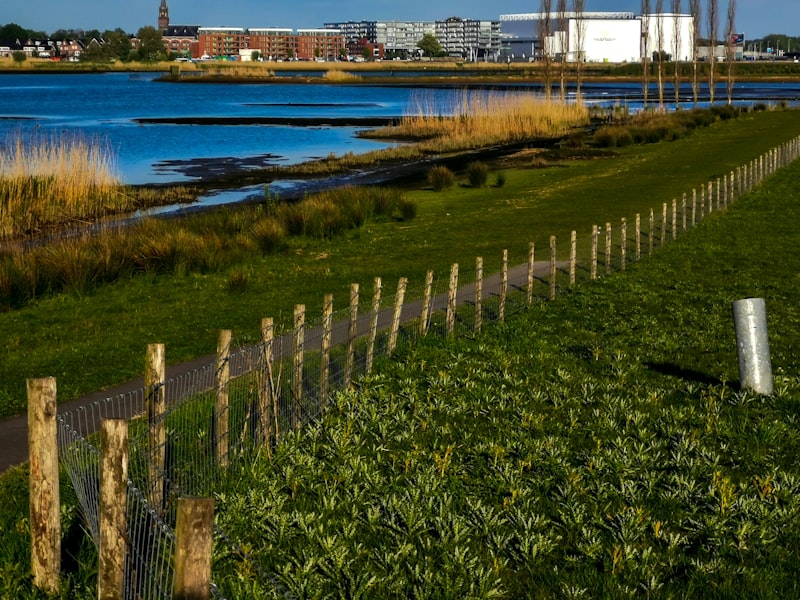
In recent years, the Netherlands has developed into one of the leading countries in renewable energy in Europe. The North Sea region is home to some of the largest wind farms in the world, and solar energy capacity continues to grow steadily. Dutch energy companies and research institutions are collaborating on innovative solutions for energy storage, hydrogen technology and smart energy grids. The government supports this development with subsidies, regulations and long-term strategies. The ambition is to achieve a fully climate-neutral economy by 2050. This transition offers not only ecological benefits but also contributes to employment and the country’s technological expertise.
The future of agriculture: Agriculture 5.0
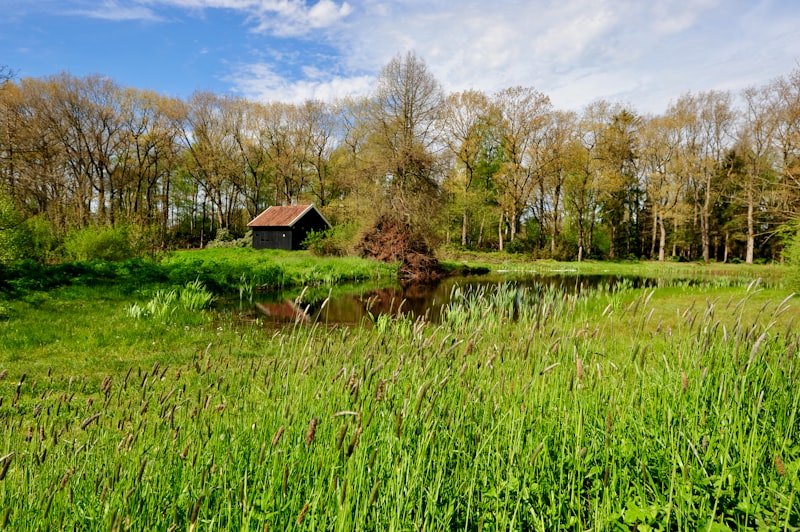
The Dutch agricultural sector is world-renowned for its productivity and innovative strength. With the advent of Agriculture 5.0, a new phase is being ushered in where technology, ecology and societal values go hand in hand. Precision agriculture, robotisation and the use of biological crop protection agents make it possible to produce more with fewer resources while reducing the environmental impact. Vertical farming and urban gardening offer opportunities for food production close to the consumer. The concept of circular agriculture, where waste streams are reused and soil health is central, forms the foundation for a resilient and sustainable food system for the future.
Be the first to know about the latest developments
Be the first to learn about the latest developments in ecology, renewable energy and agrotechnology in the Netherlands.